Design
Every object begins with a reason to exist.
Each one is developed by resolving form, function, material and manufacture as connected decisions, so that it performs well, occupies space with confidence and stays relevant over time.
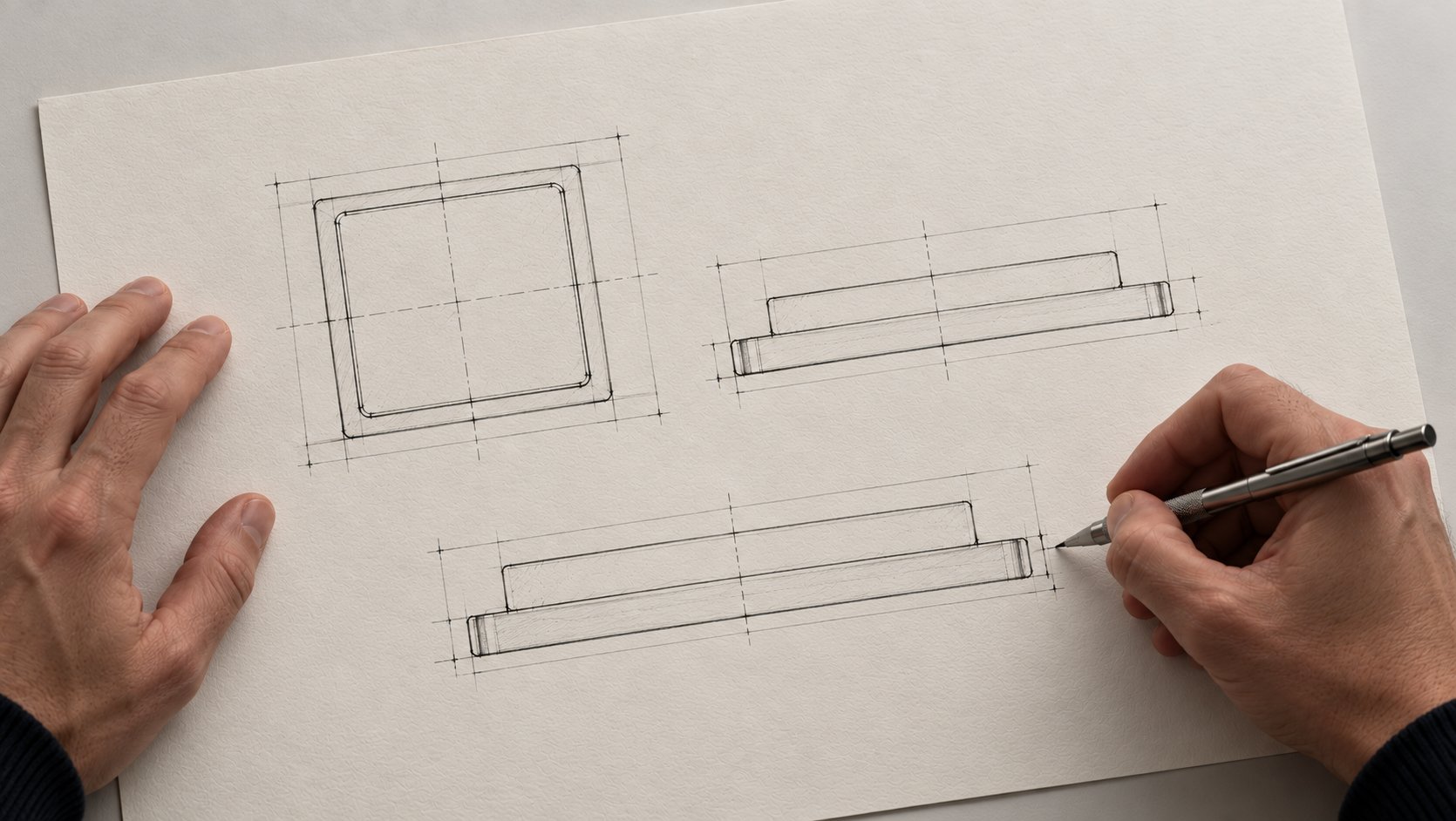
From place to experience
An object is not designed from a shape. It is worked through in order, and each stage has a question to answer before the next.
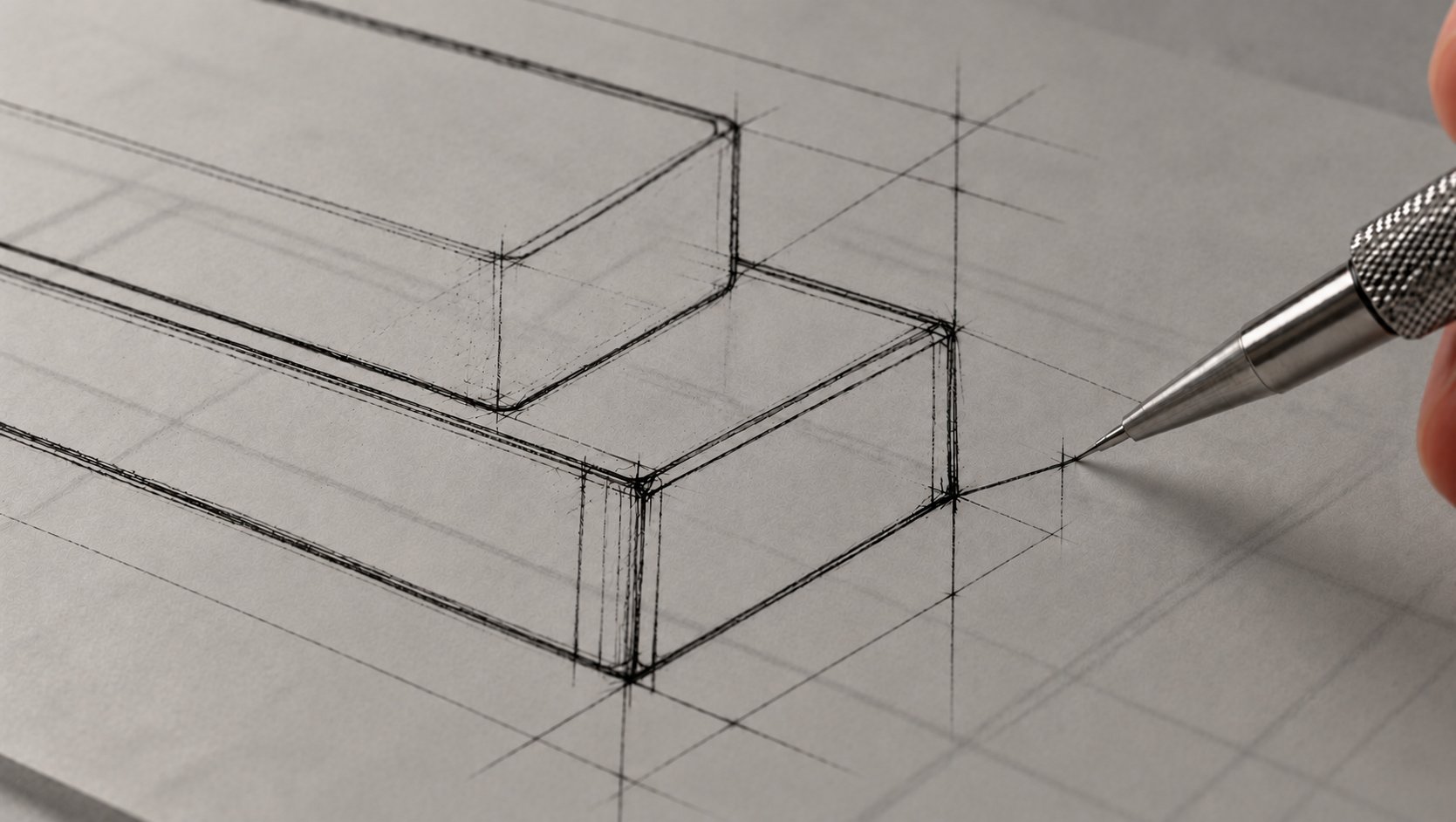
- 01EnvironmentWhere does the object exist? What architectural or interior context shapes it?
- 02ObservationWhat physical, spatial or experiential problem has been identified?
- 03IntentWhat is the design idea, and what should the object achieve?
- 04FormHow does the idea become a physical object?
- 05MaterialWhy was each material selected?
- 06ManufactureWhy does the object need to be made this way?
- 07ObjectWhat is the finished physical thing, and how does it work?
- 08ExperienceHow does it affect the environment and the user's interaction?
Design DNA
Ten principles applied to every object. The test is simple: could it be recognised as ORTON without seeing the logo?
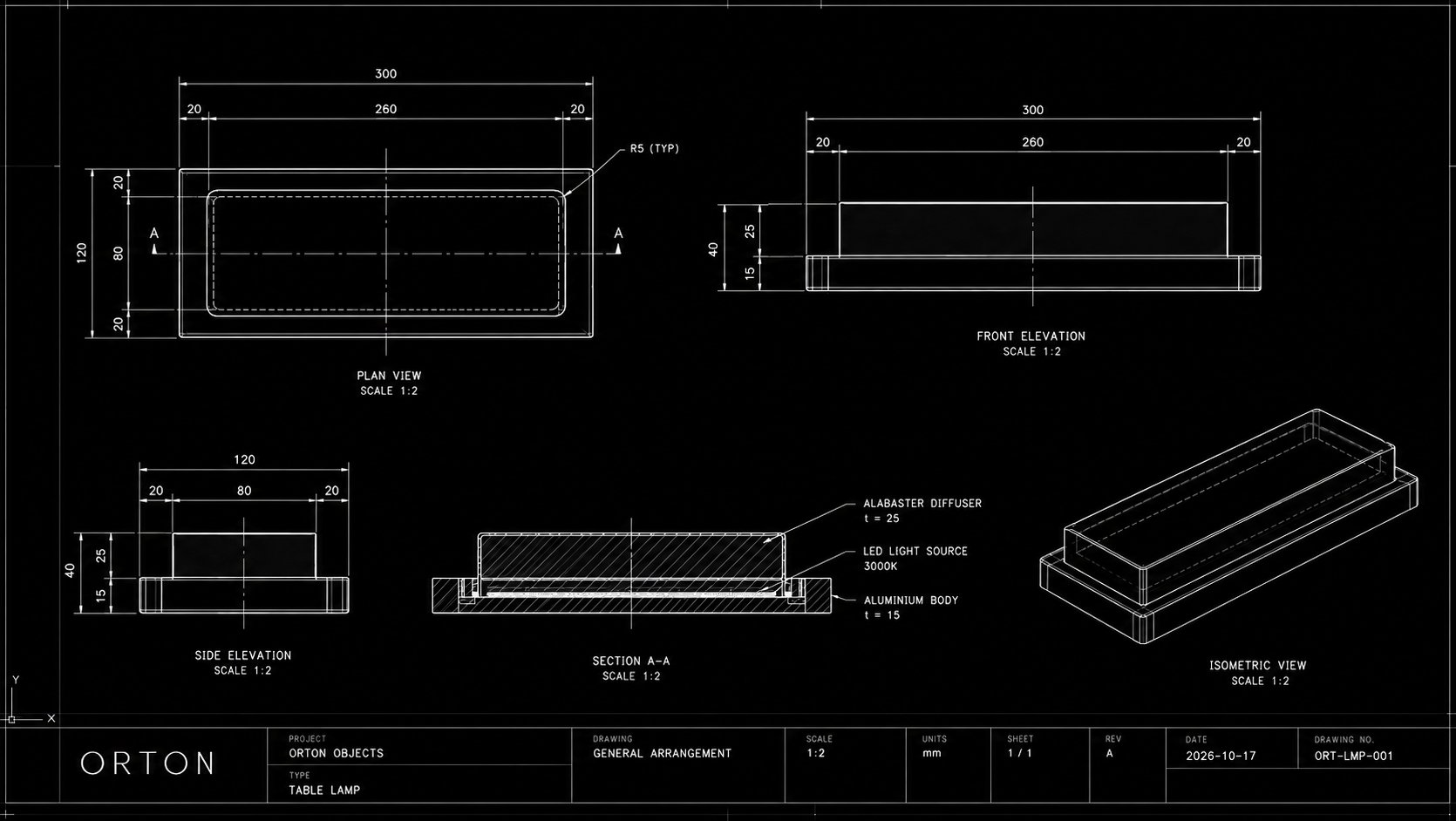
- 01Reduction
- Remove what does not contribute to function, structure, experience or presence.
- 02Proportion
- Resolve relationships between dimensions before adding detail.
- 03Mass
- Use physical mass deliberately. Objects should occupy space with purpose.
- 04Void
- Treat negative space with the same importance as material.
- 05Interface
- Make junctions between materials and components intentional.
- 06Material contrast
- Use industrial and natural materials to create meaningful tension.
- 07Precision
- Use edges, tolerances, transitions and finishes to communicate quality.
- 08Ergonomics
- Treat interaction and use as part of form.
- 09Visual quiet
- Avoid unnecessary visual noise.
- 10Distinctive detail
- Each product should contain at least one recognisable, purposeful design decision.
Material is a design decision
A material is chosen for what it does: how it performs, feels and looks, and what it adds to the idea. These are the qualities each one brings.
- Aluminium
- Precision, engineering, lightness and controlled reflection.
- Glass
- Transparency, light, reflection and visual lightness.
- Alabaster
- Mass, natural variation and light transmission.
- Timber
- Grain, warmth, tactility and material variation.
- Leather
- Tactility, warmth and change through use.
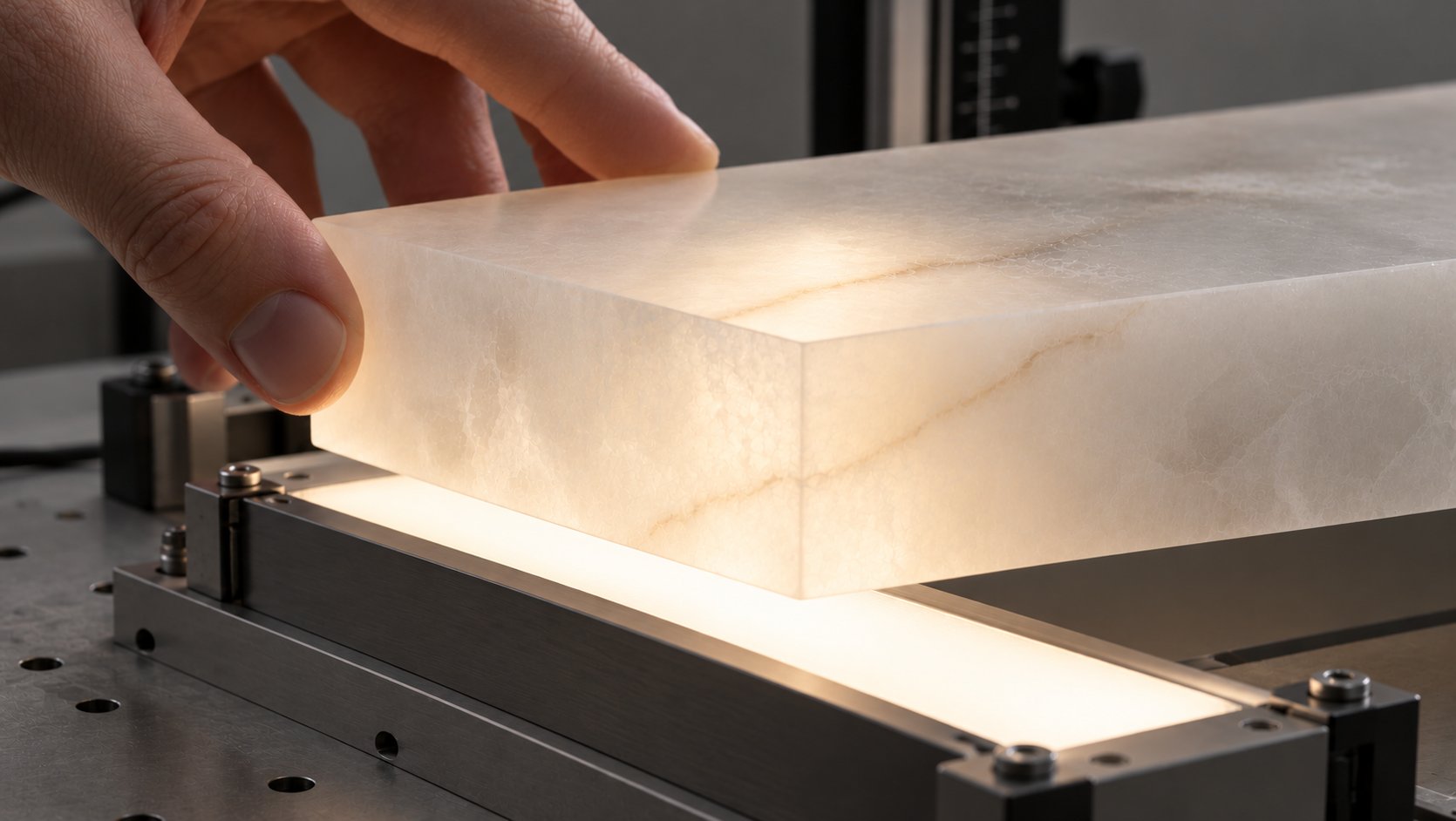
One object, worked through
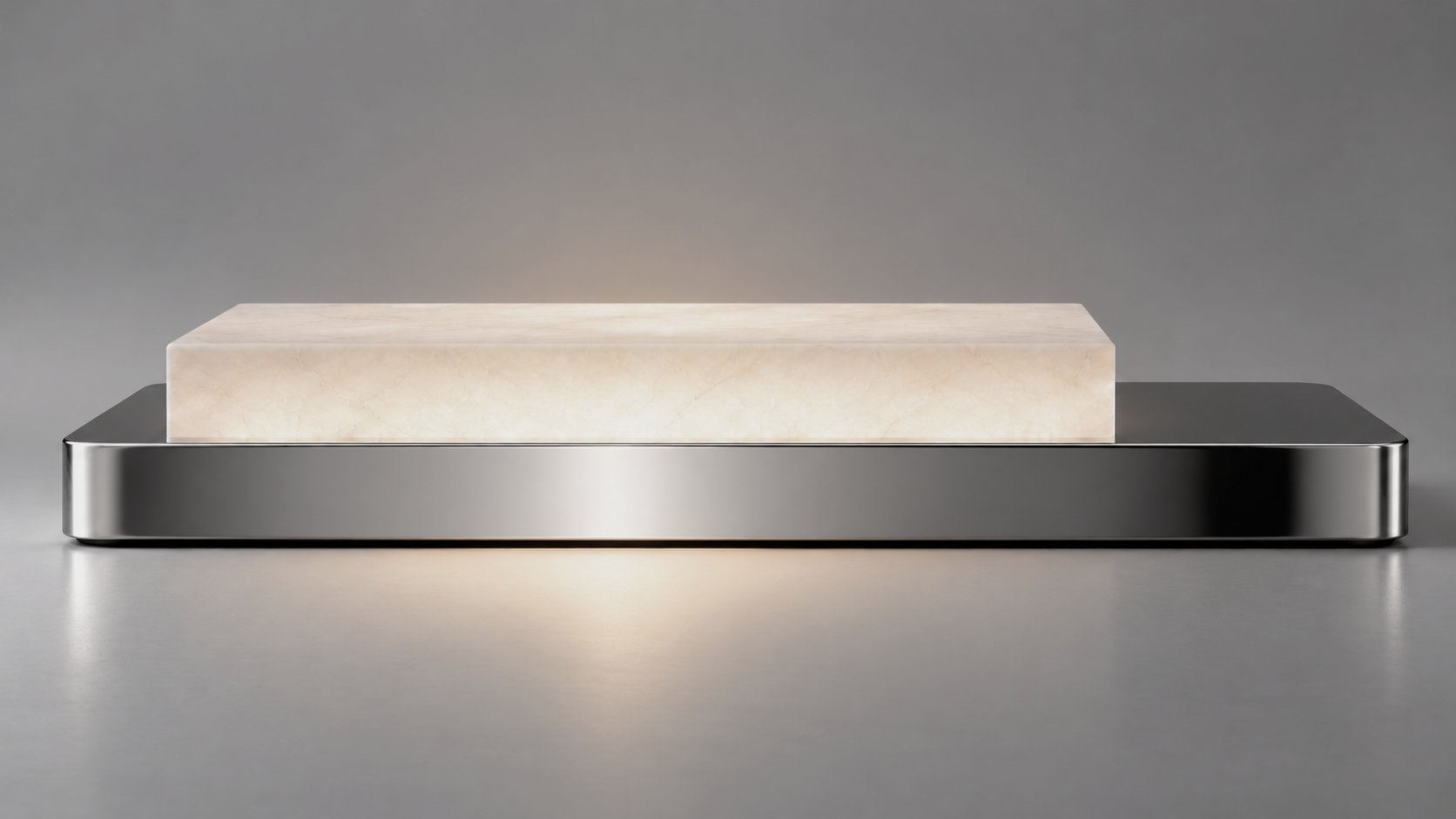
Table Light L01
- Form
- A low block of alabaster, lit from within, resting on a thin polished aluminium base that extends beyond it at one end.
- Material
- A thick, solid block of natural alabaster from Italy, over polished aluminium.
- Manufacture
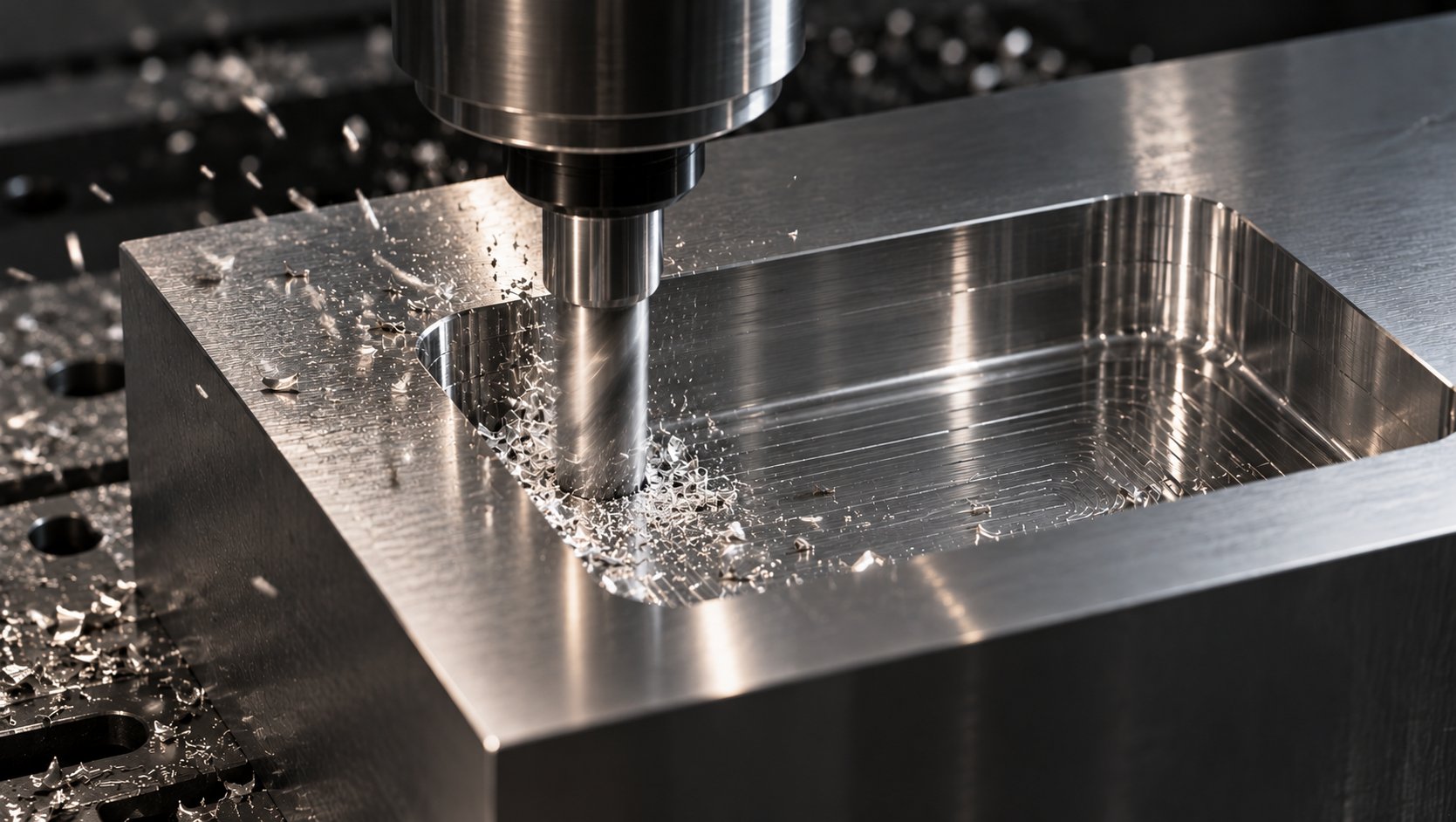
- The base is CNC milled from a single solid block of aluminium.