About ORTON
A design house built on proportion, material and manufacture.
Lighting and furniture for modern interiors, made in small numbers by specialist makers.
What we make
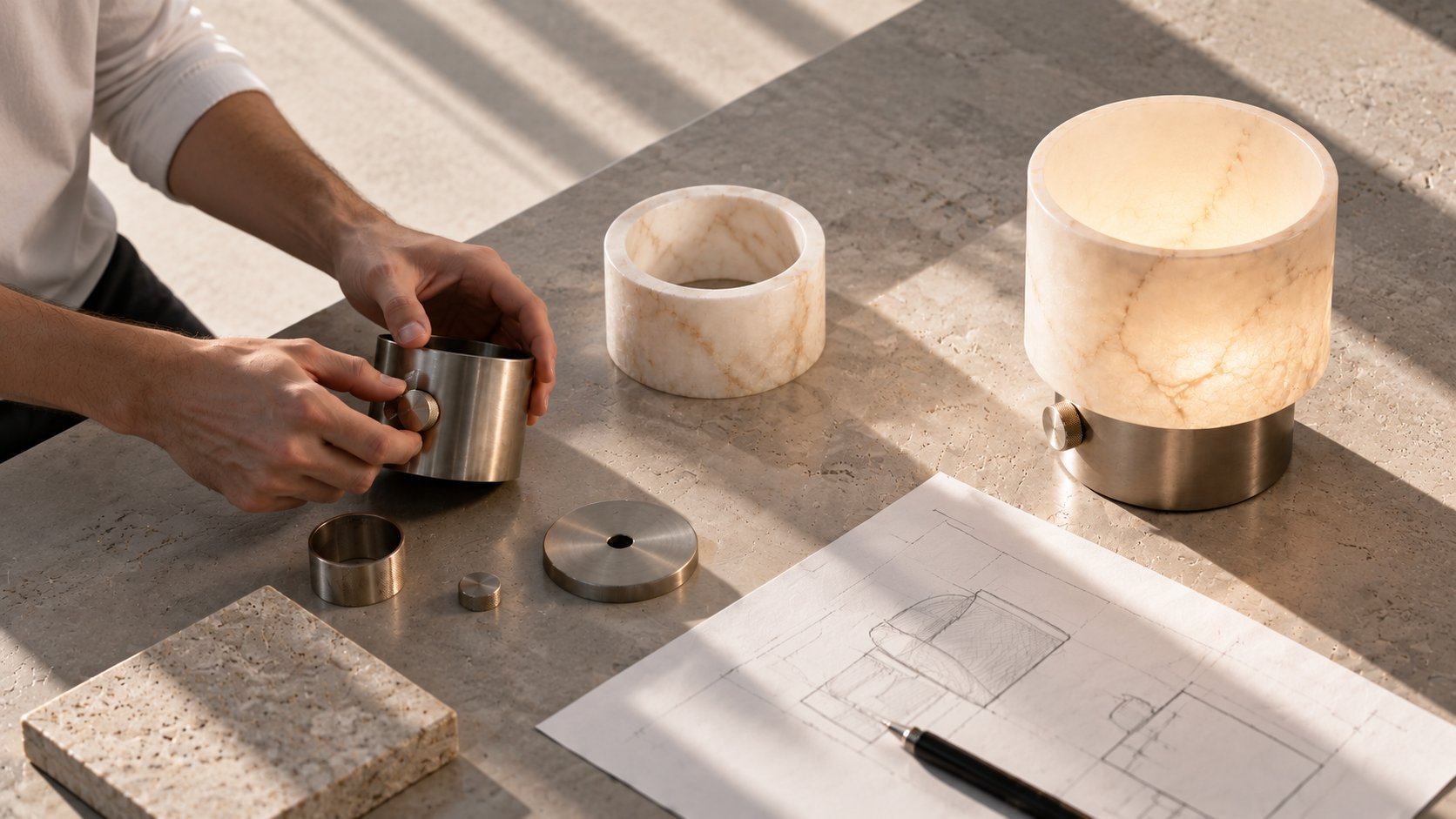
Lighting, furniture and objects for homes and for architectural projects, each designed so that its form, function, material and manufacture are resolved together.
The collection begins with lighting. It grows only where a new object extends the design language, never simply to fill a category. Fewer, better things.
Our approach
Form with intent.
This is not minimalism for its own sake. Simplicity, boldness and material expression are the result of deliberate decisions. Every decision matters, and every detail has a consequence.
- 01Intent
- Every object has a reason to exist, defined before its shape.
- 02Form
- Proportion, mass, silhouette and detail give it character.
- 03Integrity
- Material and manufacture are fundamental to the design, not finishing touches.
- 04Longevity
- Objects should endure in use and stay relevant beyond the moment they were made.
Design
Resolved together, not in sequence.
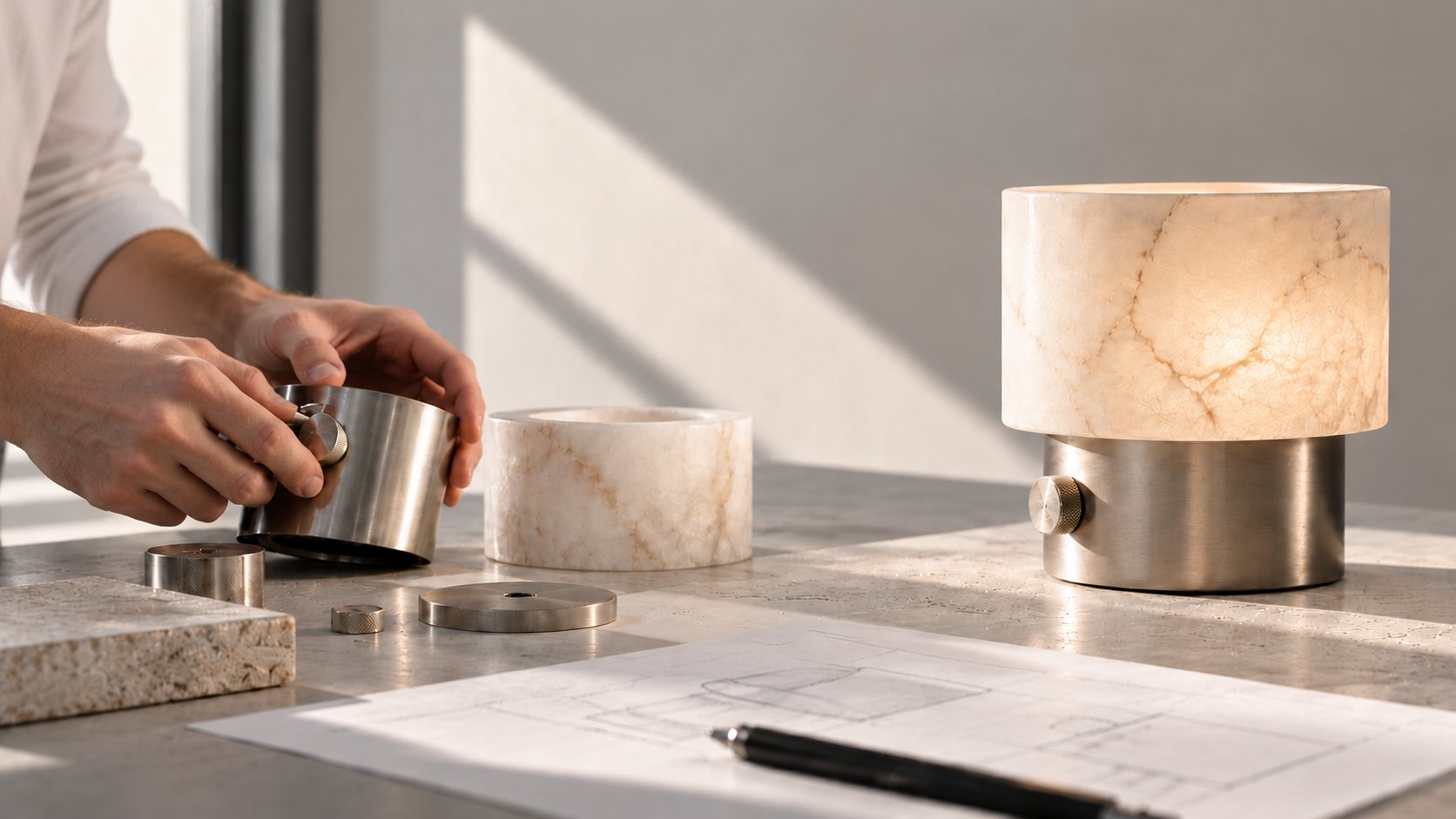
Function, form, material and manufacture are not layers added one after another. Each object is developed by resolving them as connected decisions, and tested against one question: does every significant element contribute to the whole?
Materials are chosen for how they perform, feel and look, and for what they add to the idea. The intended tension is between the industrial and the natural, the precise and the tactile.
Manufacture
Precision is part of the design.
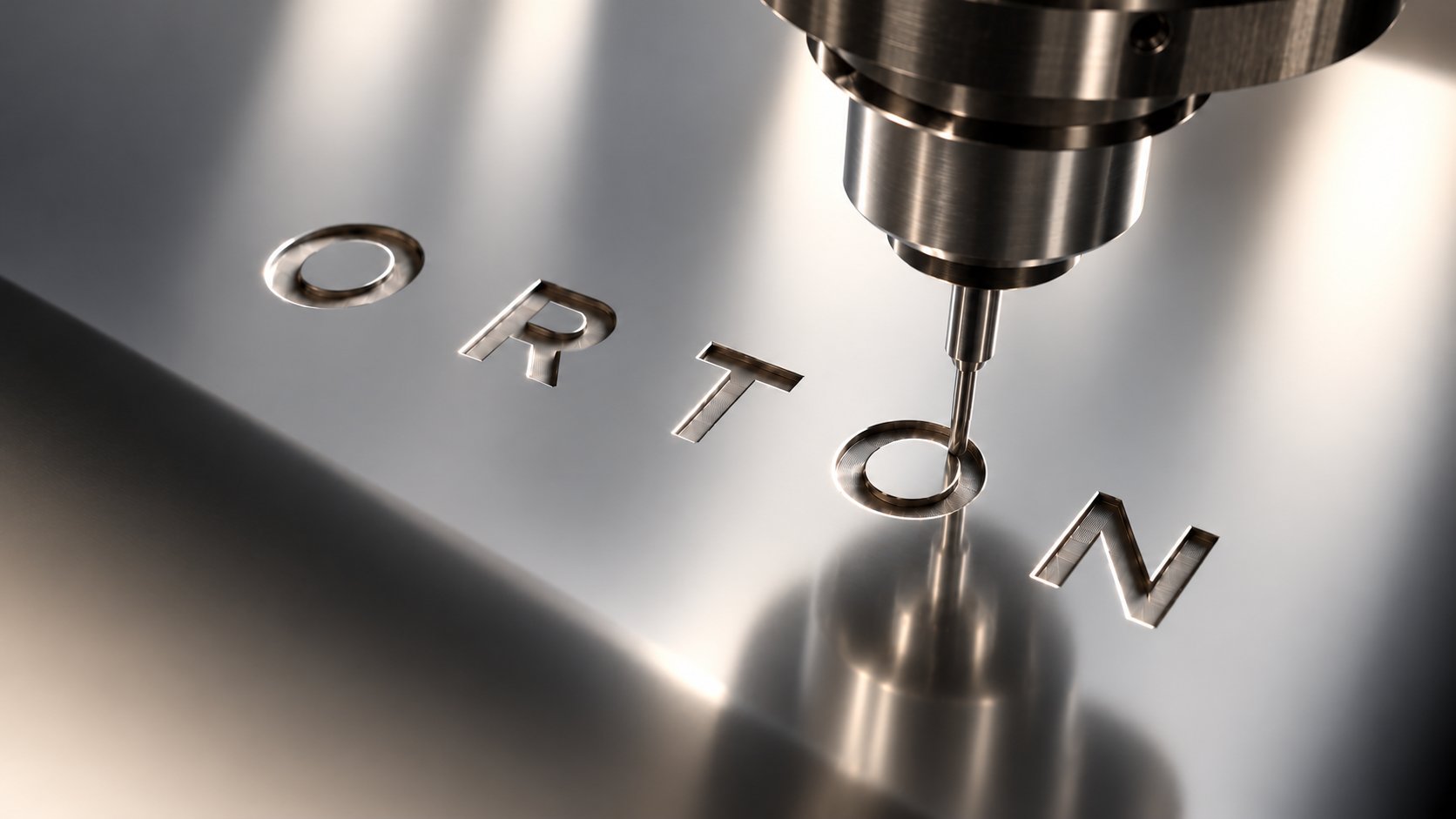
Manufacturing is part of design, not what happens after it. Edges, joints, tolerances, finishes and assembly are resolved alongside the form. A process is chosen because the object needs it.
An ORTON object should be recognisable without its logo. That recognition comes from proportion, junctions and material combinations, not from applied decoration.
What we hold to
- Design before decoration.
- Function before ornament.
- Material must have purpose.
- Precision is part of beauty.
- Reduction should create presence.
- The object matters more than the logo.
- Objects should endure.
- Make fewer, better things.
The designer
Tom Ritson
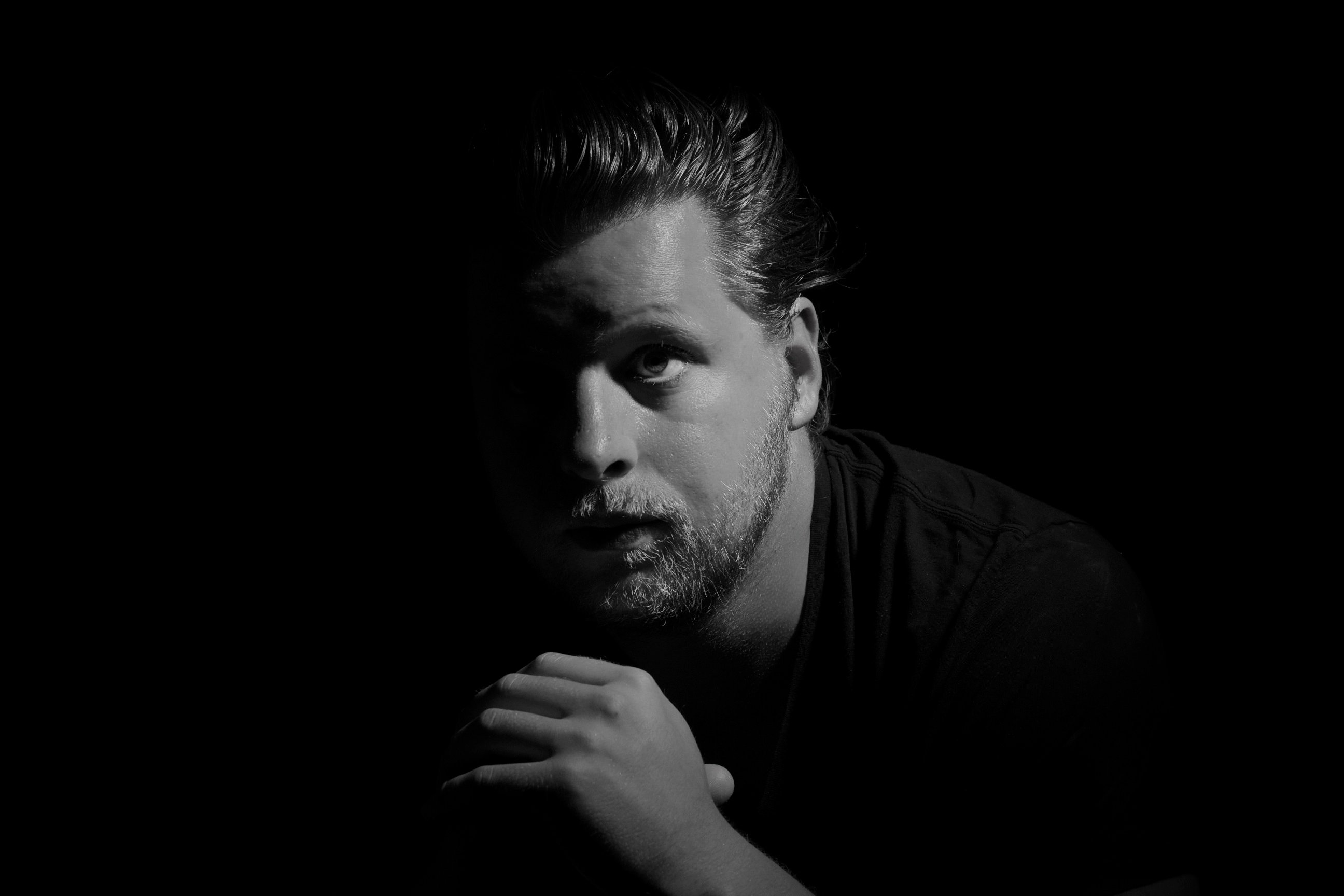
Tom Ritson designs ORTON's objects. He takes each one from first sketch through CAD and visualisation, works directly with manufacturers, and holds the standard every object must meet.
ORTON is designer-authored but led by its objects. The thinking comes from the designer; the reputation is built by the work.
For architects and interior designers
A homeowner asks, “Do I want to live with this?” A designer asks, “Can I confidently specify this?” ORTON aims to answer both.
Every object will come with accurate dimensions, materials, finishes and technical information. The trade programme is in development.